
FAQs
Fire door questions, answered
The things landlords, agents and building owners ask us most, answered by the people who install and remediate fire doors every day.
Fire doors
The essentials
What is a fire door and how does it work?
A fire door is a form of compartmentation which slows the spread of fire throughout a building for a specified amount of time. It works as part of a complete fire door assembly, including the door leaf, frame, hinges, seals, door closer and other compatible components. When correctly installed and maintained, the fire door helps contain fire and smoke within one area of a building, protecting escape routes and giving occupants more time to evacuate safely.
Fire doors are tested to provide a specific level of fire resistance, such as FD30, designed to resist fire for at least 30 minutes under test conditions, or FD30s, which is the same but also rated for smoke leakage.
How can I tell if my door is a fire door?
Check the top of the door leaf, or the hinge-side edge of the door, for an identification sticker or plug. Don't fret if you cannot find one: your door may still be a suitable fire door, but you must consult a professional to assess it and deem it satisfactory.
Does a fire door have to be certified?
Newly installed fire doors do have to be certified, meaning they have undergone a burn test to confirm they will last the period they are stated to. New installs of fire doors must follow the strict field of application report provided by the manufacturer to ensure they are fitted correctly.
Can you fit a new fire door into an existing frame?
The short answer is yes. While the best solution is to install a full FD30s door-set, new certified door leafs can be installed into old frames. Most door manufacturers allow the intumescent seals to be routered into the door, with the correct remediation of the frame, such as removing architraves, ensuring the frame is of the correct thickness and installing the correct fire stopping around the frame-to-wall substrate.
What are the most common reasons fire doors fail inspections?
Usually because the doors have become misaligned with usage, causing the gaps to be larger or smaller than they should be, door closers not fully closing the door into its rebate, or genuine poor previous installation. It is important to ensure your contractor has great knowledge of fire doors and understands how they operate before commencing any works.
Can a failed fire door be repaired, or does it need replacing?
Of course. Some companies jump straight to replacement when doors seem to be non-compliant, but as long as the door is in suitable condition, with no heavy damage to the leaf or frame, most doors can be remediated to suit.
Landlords & HMOs
Your responsibilities
Do landlords have to install fire doors?
Absolutely. This is non-negotiable if you are a landlord of a flat or shared accommodation. Ensuring your tenants are correctly protected against fire risk should be one of your top priorities.
What are the fire door requirements for HMOs?
Doors must be suitable fire doors, with self-closing devices, intumescent fire and smoke seals and, we believe most importantly, keyless locks from inside the rooms, ensuring safe and easy escape if ever needed.
Do flat entrance doors need to be fire doors?
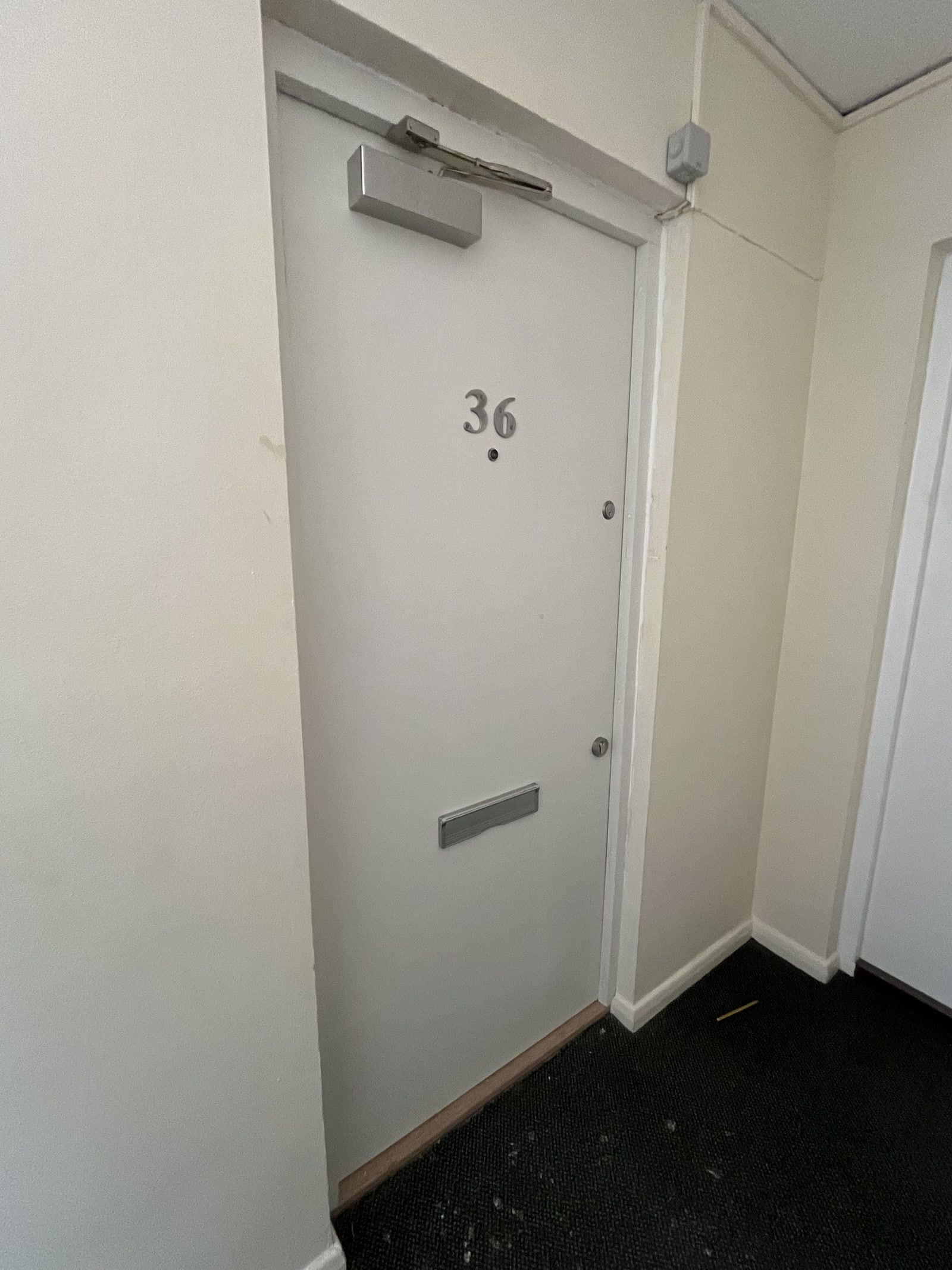
Always. Any doors that lead to communal areas must be protected and correctly compartmentalised.
Do communal fire doors need to be inspected?
Yes, and these usually need to be inspected more frequently. Flat entrance doors must be inspected annually, while communal doors must be inspected every 3 months, because they are higher-traffic areas compared to individual flat entrance doors.
Still got questions?
Every building is different. Tell us about yours and we'll give you a straight answer on what the regulations require and what it will take to get there.
Accreditations
Independently assessed. Annually audited.